Nature bedtime stories can make a small detail worth noticing or open a view across a landscape. Moonlight, stars, rain, trees and seasonal change offer different reading experiences. Choose the actual story, viewpoint and language rather than assuming a natural setting guarantees a peaceful book.
This guide is about literature and shared reading. An imaginative picture book may personify weather, give objects wishes or reshape a landscape. Those choices can be enjoyable without making the story a factual nature reference or a method for producing sleep.
Begin with the viewpoint
A child watching a garden, a small creature crossing it and a raindrop moving through it encounter different worlds. Look at whose attention organises the pages. The setting becomes distinctive through what that character notices and how the pictures present scale.
A book may stay in one place while light changes, or move through several locations. Check whether the route is understandable. Recurring landmarks can connect scenes, while an unfamiliar jump in perspective may need explanation.
Ask what kind of reading you want tonight: looking closely, following a small journey or listening to descriptive language. A single book may offer more than one, but knowing the emphasis helps you compare choices.
Moon stories and a recurring presence
Moon stories can use one visible object to connect different settings. The moon may remain part of the background, provide light or become an imagined companion. Read which role it actually plays.
If the moon speaks or follows a character, recognise that as make-believe. Answer a child’s factual question directly without turning the whole reading into an astronomy lesson. A separate suitable reference can extend the interest another day.
Starry skies and visual space
Starry night stories may invite broad looking or close pattern searching. Inspect the artwork at the size you will share it. Tiny points and hidden details can make a short text into a long browsing session.
Read the events beneath the sky. A star-filled cover may accompany a quiet observation or a tense journey. Scale and darkness can suggest wonder, loneliness or uncertainty depending on the character’s situation. The palette alone does not determine the emotional tone.
Clouds and imaginative change
Cloud stories often use transformation, drifting movement or changing views. Notice whether a clear thread connects the images. The child may imagine a different shape from the one suggested by the text; that interpretation can be part of the pleasure.
Preview weather changes before bedtime. A pale opening can lead to thunder, looming shapes or an urgent problem. Do not assume clouds remain gentle because the first spread is quiet.
Rain, sound and shelter
Rainy night stories may focus on the sound outside a room, reflections on a surface or the experience of a character outdoors. Those viewpoints create different stakes. Read whether the weather is background or an obstacle.
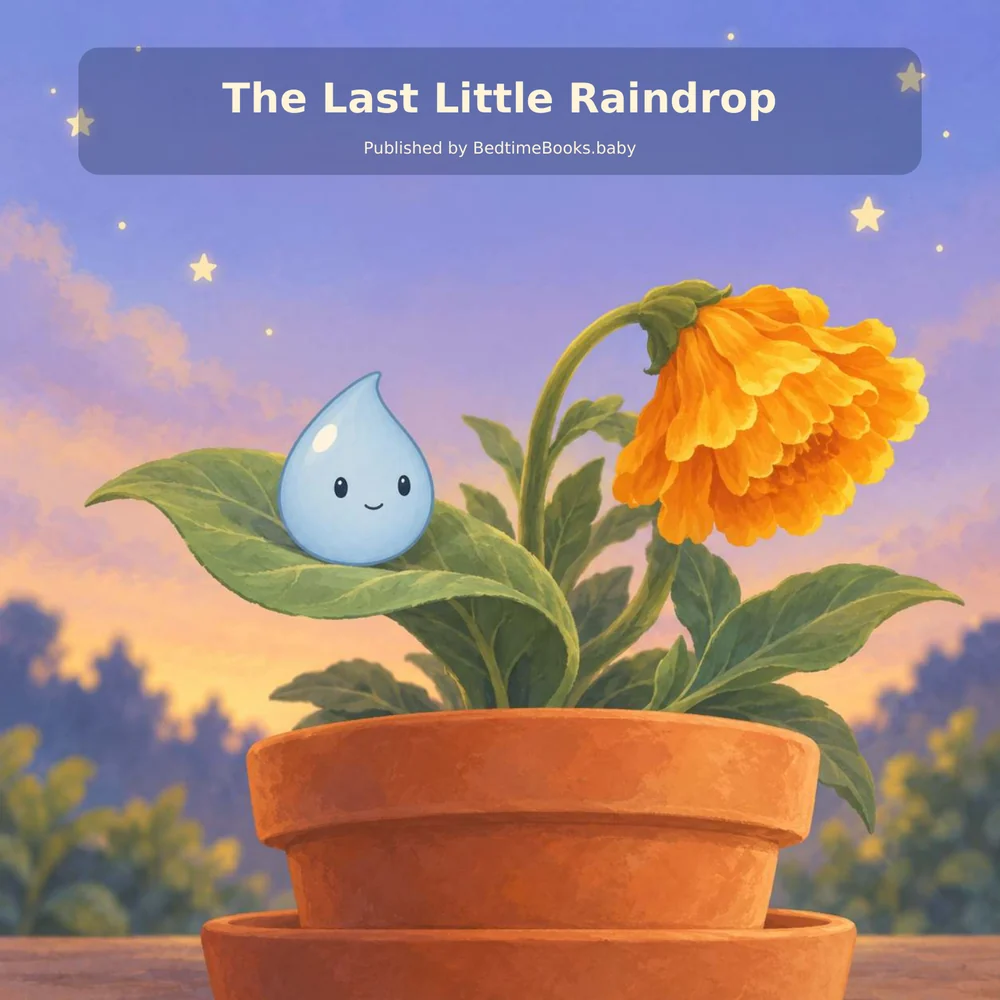
The Last Little Raindrop follows Pip from a roof through a quiet garden after the rain has gone to bed. It is a related raindrop journey, not a verified story about a family listening indoors. Its recorded guidance is ages 2 to 3 and approximately four minutes. Use its preview and product page for the current details.
Forests and routes
Forest stories can follow paths, clearings and changing light. Check the distinction between exploration and being lost. The same trees may create a welcoming route or conceal an uncertain way home.
A forest-setting story need not centre on an animal. A person, object or the place itself may organise the narrative. If you specifically want creature-led plots, compare the separate animal-story guides rather than treating landscape and animal categories as identical.
Gardens and small-scale events
Garden stories can make a narrow gap or a single leaf important. Look for the character’s scale and a sequence that completes something modest. A small setting need not mean a thin story.
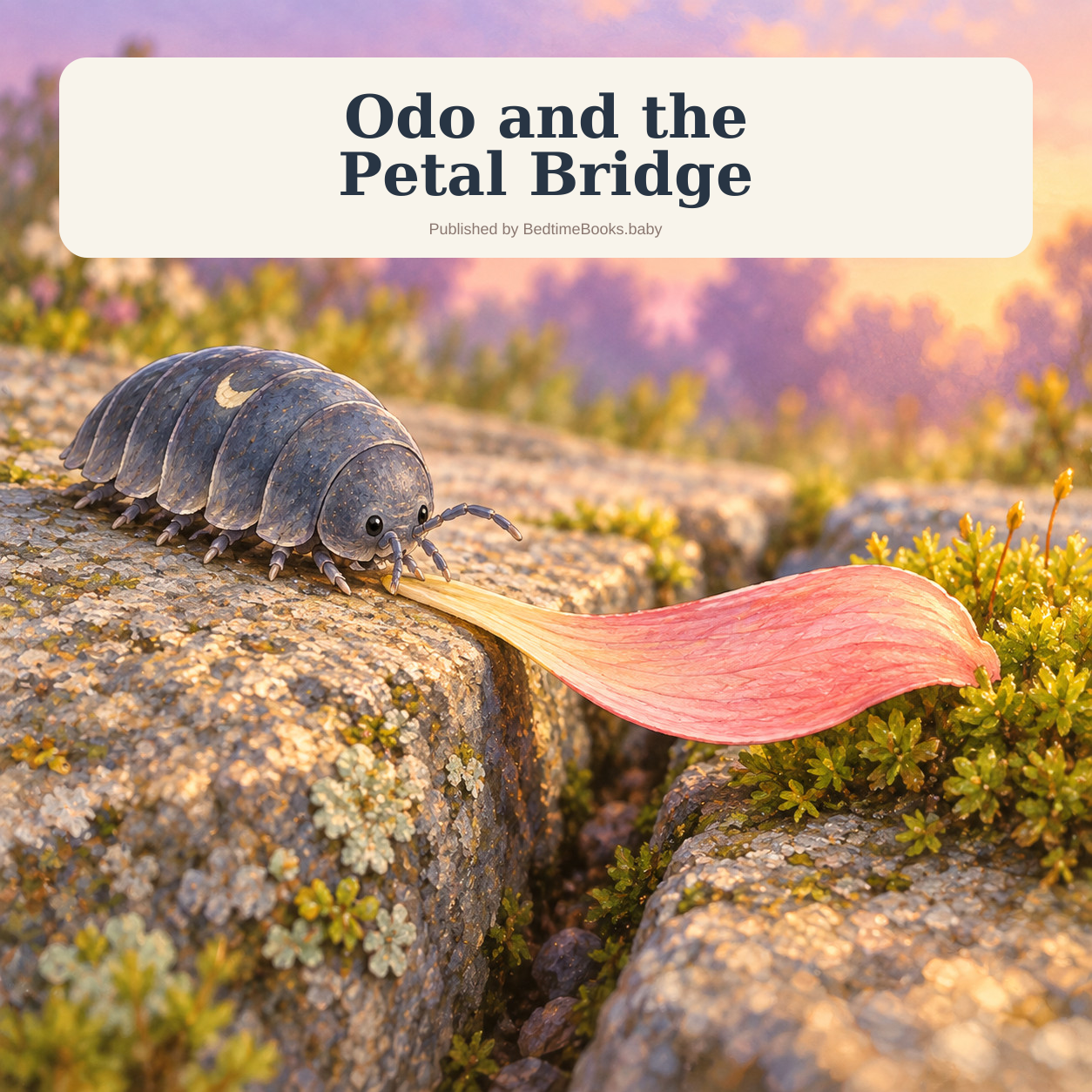
Odo and the Petal Bridge is described as a woodlouse using a petal to cross a seam between stones and reach moss. That supports a precise example of a small nature adventure. Inspect its recorded age guidance and opening preview before selecting it for a particular child.
Oceans and wide views
Ocean stories can focus on shorelines, waves and horizons rather than a marine animal. Notice where the reader is placed: looking from land, travelling over water or seeing below it. The emotional experience changes with that viewpoint.
Preview storms, isolation and sudden scale changes. A wave pattern can create rhythm, but the plot may still be urgent. Keep fictional water adventures separate from real-world safety guidance.
Winter and different places
Winter stories may show changing light, clothes, activity or landscapes. Snow is one possible winter setting, not a universal experience. Families can enjoy a different climate or tradition without being told that it defines the season for everyone.
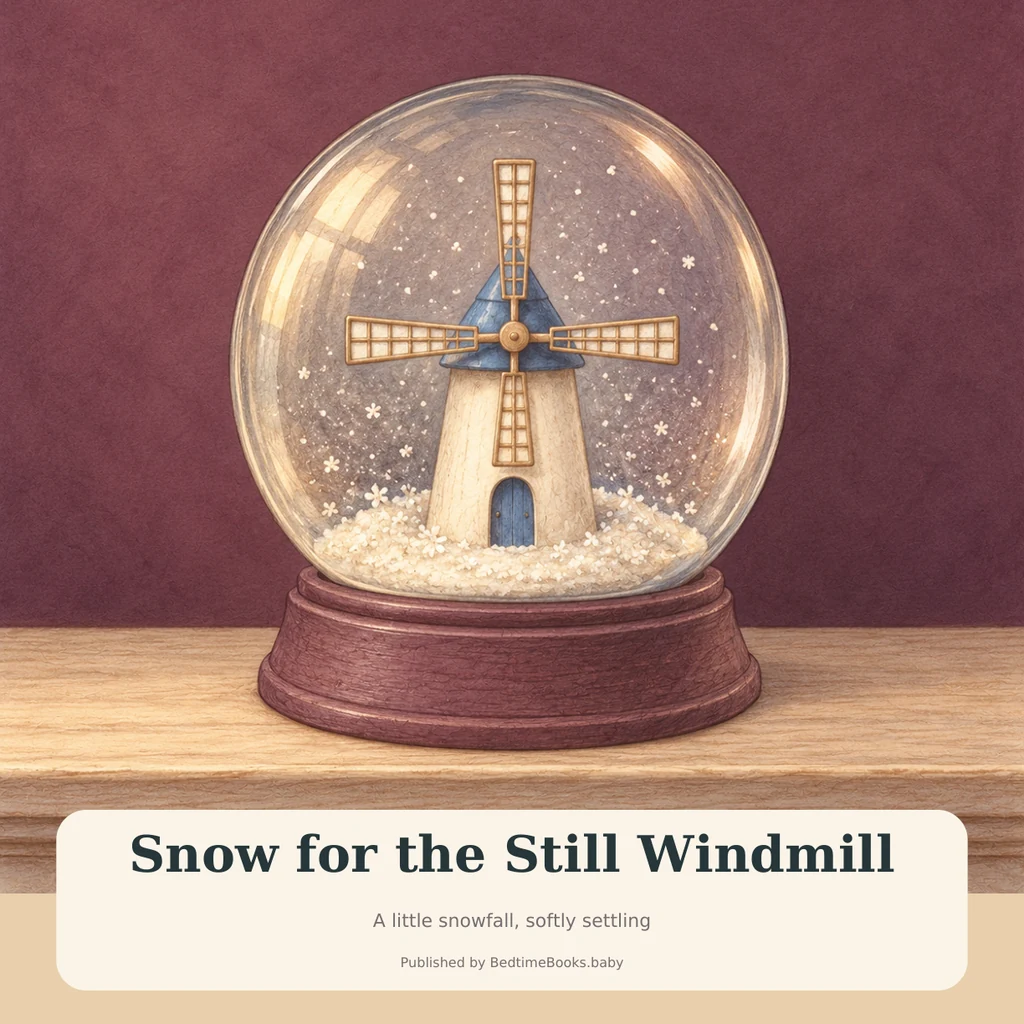
Snow for the Still Windmill takes place inside a glass globe as flakes settle around a windmill. It offers a contained snow scene rather than an outdoor survival plot. Check the individual book’s preview, audience and availability.
Listen to descriptive language
The guide to nature sounds and descriptions considers how words and pictures complement each other. A sound can draw attention, mark a change or establish distance. A description is most useful when it makes something specific visible.
Read sample pages aloud. Comfortable phrasing matters more than a large collection of soft-sounding adjectives. Extra sound effects are optional, and a clear natural voice can suit the text better than an elaborate performance.
Keep looking and conversation flexible
A child may want to linger over a picture or ask about something real. Respond briefly when it supports the reading, and leave factual questions for later when they need checking. You do not have to name every species or identify every object.
Nor must the child report feeling peaceful. A nature setting is a literary choice, not a prescribed emotional response. If a scene is unwelcome, acknowledge that and choose another book.
Build a selection from actual books
Use descriptions, previews, approximate reading times and age guidance to compare individual titles. Keep product availability claims on the verified book page. Avoid inferring a whole plot from a cover, or relabelling a space, aquarium or orchard book as a different nature theme.
A varied nature shelf can include a wide sky, a tiny garden journey and a close listening scene. Their value lies in the distinctive reading each offers, with enough flexibility for the child and adult to notice, talk or simply follow the story.
Compare scale across a small shelf
Place a close garden scene beside a wide night-sky story. Notice how each book positions the reader and what the pictures ask you to attend to. One may reward following a tiny action; the other may invite lingering over space and distance. Neither experience is inherently more calming. The comparison gives adults a concrete way to choose variety without relying only on subject labels.
Explore this topic in more detail
- Cloud Bedtime Stories
- Forest Bedtime Stories
- Garden Bedtime Stories
- Moon Bedtime Stories for Children
- Nature Sounds and Descriptions in Bedtime Books
- Ocean Bedtime Stories
- Rainy Night Bedtime Stories
- Starry Night Bedtime Stories
- Winter Bedtime Stories
The natural world can support many distinct forms of story, each worth assessing on its own pages.