Imaginative bedtime stories make room for something beyond ordinary reality: an object with a viewpoint, an invented place, a wish or a small magical change. Choose a book whose unusual possibility is easy to enter and whose particular story interests both reader and listener. Wonder does not require a frightening opponent or a large adventure.
The word imaginative describes a broad range. One book may remain in a familiar room while another moves between shifting landscapes. Inspect the actual language, pictures and emotional journey rather than assuming the category is always gentle or always exciting.
Start with one understandable possibility
A story can establish make-believe through a clear picture, an ordinary action with an unexpected response or a small rule introduced in the opening. It does not need an explanation of an entire invented world before anything happens.
Notice what must be remembered. A few recurring details can provide orientation, while many names, rules and exceptions may require more adult explanation. The amount of invention is less important than how comfortably the book makes it readable.
Read a sample aloud. Ordinary phrasing around one surprising idea can be a pleasure to share. A more elaborate voice may also appeal, provided you enjoy carrying it and have room for the questions it invites.
Gentle magic without a threatening cast
Magical stories without scary characters need more checking than a character list. Friendly figures can still appear in a plot about being lost, trapped or unable to stop a change.
Look at what the magic does and what happens if the character pauses. A small discovery has different stakes from an urgent escape. Pictures matter too: sudden scale changes or ambiguous shadows can create tension independently of the words.
A complete copy is useful when the opening preview reveals only the inviting part. A reassuring ending should be assessed alongside the route to it, not used to dismiss a child’s response to an earlier image.
Invented places with a point of entry
Stories about imaginary places may begin within an invented world or show a visit from somewhere familiar. Look for the visual or verbal bridge that makes the setting understandable.
A recurring object, doorway or landmark can connect scenes. The place should contribute to what the character notices or does, rather than become a list of unusual decorations. A stable viewpoint helps even when the landscape is new.
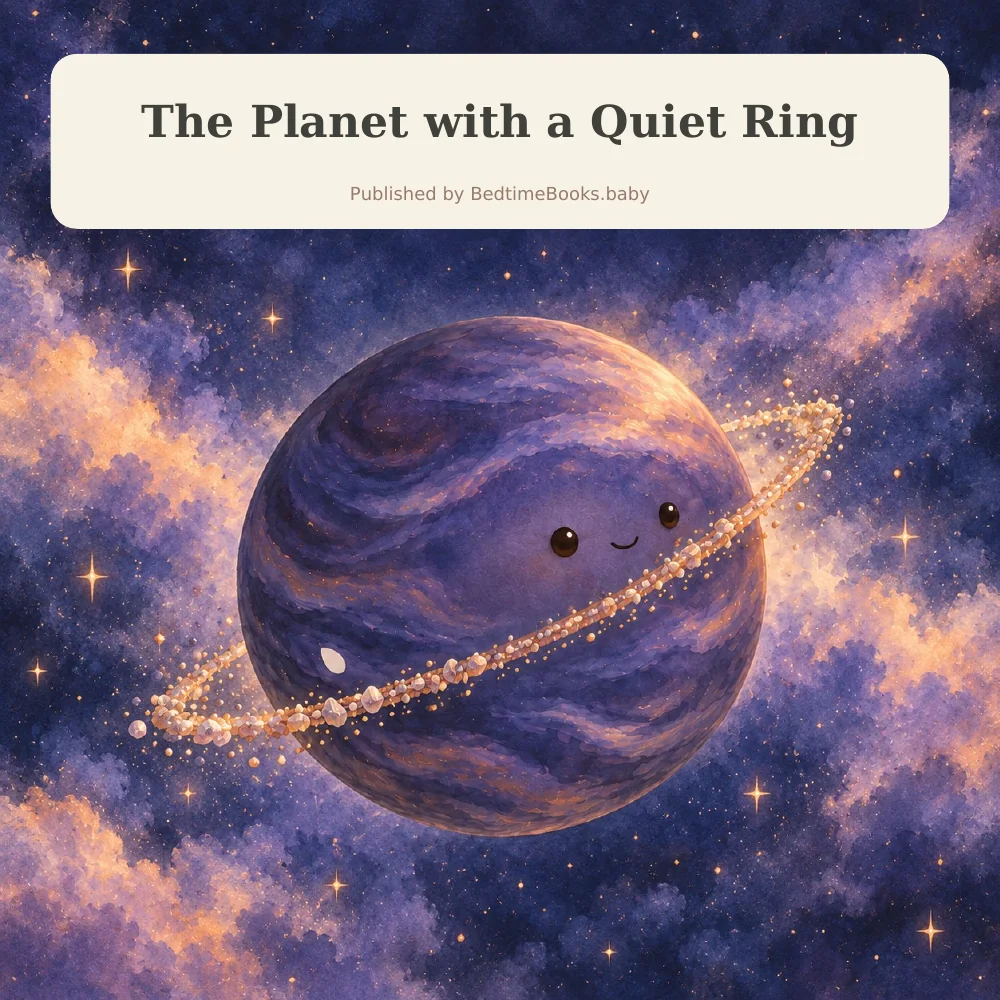
The Planet with a Quiet Ring offers a related original example: Velo watches a pale grain travel near a copper ring. The description supports a modest imaginative event in a space setting, not an invented account of a child’s interplanetary visit. Check the preview and actual audience information.
Adventures at a modest scale
Little adventures can follow one clear purpose. A character may cross a small space or discover a new route. The viewpoint can make an ordinary distance significant without requiring large danger.
Odo and the Petal Bridge follows a woodlouse using a petal to cross a seam between stones and reach moss. Its recorded guidance is ages 2 to 5 and approximately three minutes. The precise premise provides a useful comparison with a larger journey.
Read whether the ending completes the original task. A small goal does not need a large unrelated reward to make the conclusion satisfying. The particular route, object and character can carry the interest.
Objects as characters
Stories with talking objects give familiar things a viewpoint. Some include spoken dialogue; others personify an object through attention or a wish. Check which device the actual text uses.
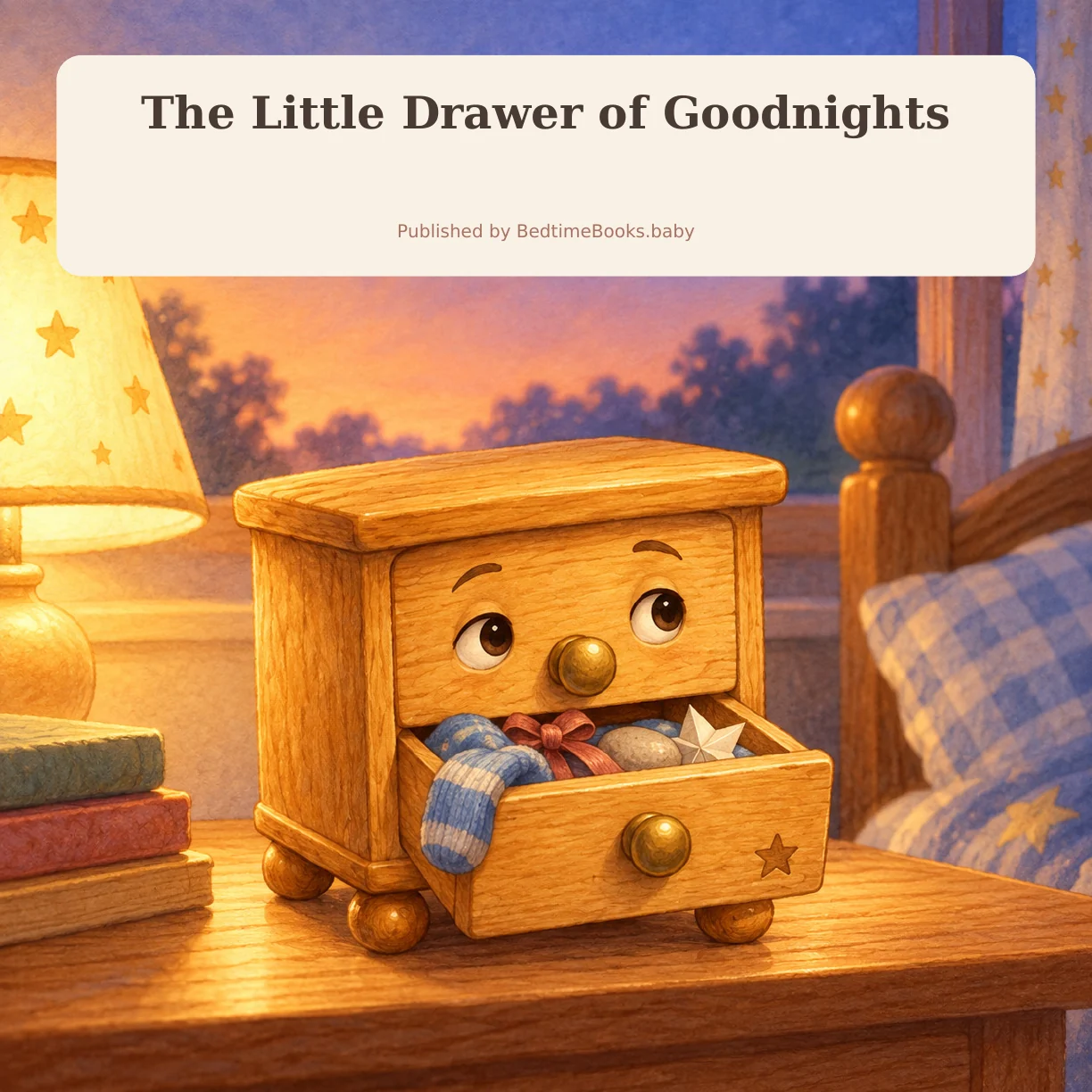
The Little Drawer of Goodnights describes Dottie welcoming a sock, ribbon, pebble and paper star as the room settles. It is a related object-character example, with age guidance of 2 to 3 and an approximate three-minute reading time. A short description does not establish how much dialogue appears.
A familiar setting can make the invented element easy to enter. Listen for a voice you can share naturally. An elaborate performance is optional, and several speakers should ideally remain clear through the text and pictures as well as the adult’s delivery.
Wishes with consequences
Wish stories begin with a desire and explore what follows. A wish may be granted, change meaning or remain open while another part of the narrative reaches completion.
Look for why the desire matters and what the character notices through the events. A thoughtful ending need not declare the original wish foolish or replace it with a sudden lesson about gratitude.
If magic fulfils the wish, inspect the rules and consequences. Unclear limits can create suspense. A child can enjoy that fiction without being told that wishing strongly determines real events, and need not reveal a wish of their own after reading.
Hidden places and secret gardens
Secret-garden stories can centre on a small discovery and a place worth returning to. Read what makes it hidden, how the character enters and what happens there.
Playful privacy differs from pressure to keep an uncomfortable secret. Inspect the actual wording and relationship rather than treating all hidden places as equivalent. A gentle story can use an entrance or discovery without making concealment the central demand.
Pictures may make the garden readable through a path, repeated object or stable viewpoint. A final return can complete the visit while leaving other imaginative possibilities open. The child need not draw a map or invent a garden afterward to show enjoyment.
Dreamlike movement
Dreamlike journeys may connect scenes through visual patterns rather than ordinary geography. A recurring character, phrase or object can provide a thread when settings transform.
Notice whether the changes invite wondering or require repeated reconstruction. Both descriptive browsing and a connected journey can be enjoyable, but they fit different amounts of time and explanation.
Dreamlike is a literary description, not a claim about the listener’s sleep. A book cannot promise to shape actual dreams. Let the child interpret an image without assigning hidden psychological meaning to the response.
Fantasy beside realistic fiction
The comparison of fantasy and realistic bedtime stories looks beyond genre labels. A realistic separation plot may be more tense than a magical task. A familiar fantasy may be easier to enter than an unfamiliar ordinary setting.
Both forms invent characters and events. Realistic fiction is not automatically a factual source, and imaginative fiction need not be corrected on every page. Answer reality questions plainly when they arise, then return to the narrative if the child wants to continue.
A varied shelf can contain both. A preference on one evening need not become a rule about what the child is ready for or should choose next.
Decide how the excitement fits
The guide to suitable excitement at bedtime separates pace, stakes, participation and stopping points. A repeated shout, a long search and sustained suspense create different shared activities.
Consider what you can offer tonight. A lively book may deserve another time when its main pleasure can unfold fully. Another text may work comfortably in an ordinary voice without extra effects. Observe the actual reading rather than predicting one universal response.
Keep a familiar alternative available when trying something new. You can stop an unwelcome story without insisting that its final reassurance makes continuing necessary.
Give imagination room without assigning work
A child may invent another possibility, notice a visual joke or simply listen. All can belong in the reading. Questions and creative extensions are invitations, not requirements.
Choose actual books through their complete text and available previews. Product pages provide age guidance, approximate duration and current availability. Recommendations should remain within what those details establish.
The best imaginative choice for an evening is a particular work you are willing to revisit: a distinctive voice, a readable world and an ending that connects with its own beginning. It does not have to produce a lesson, a new idea or a promised feeling after the cover closes.