An imaginary place becomes interesting when the reader can understand enough of it to follow the story. Look for a clear viewpoint, a few distinctive details and a reason the character is there. A map, unusual name or elaborate description is optional; orientation can come through pictures and repeated landmarks.
For bedtime, consider how much new information the world asks the listener to hold. A small invented place may offer more room for looking than a rapid tour of many unrelated settings.
Find a point of entry
The opening may begin in the imagined world or show a character arriving from somewhere familiar. Read how the transition is signalled. A doorway, a changed scale or a recurring object can connect the scenes without a long explanation.
If the character is already at home there, notice what the reader needs to know. The book should not require a separate account of its whole history before the first event makes sense.
A child may ask where the place is. You can explain that it belongs to the story. There is no need to locate an invented setting on a real map or present its rules as facts about the world.
Choose details that do work
A distinctive place is more than a list of unusual things. Its paths, rooms or objects can shape what the character sees and does. Look for details that return or become important rather than disappear as soon as they are named.
An invented home can feel readable through ordinary actions. An unfamiliar landscape may remain understandable through a clear route. Both approaches give the listener a way to enter the fiction.
Read the language aloud before buying. Several invented names in one paragraph may be enjoyable for some readers and cumbersome for another evening. Choose a text you can carry naturally.
Inspect the scale of the visit
A character observing one small event has a different story from someone crossing a large unknown world. Check what is at stake and how the pictures connect each change of setting.
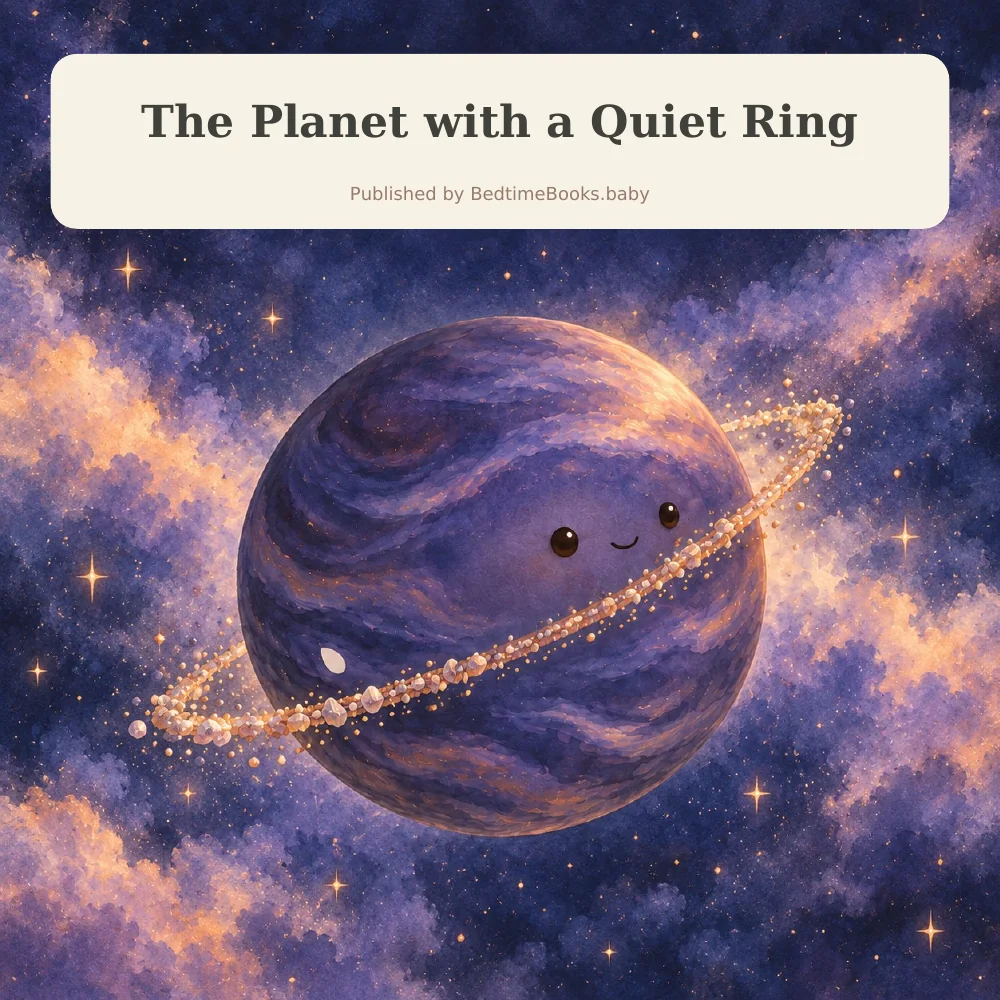
The Planet with a Quiet Ring offers a related original example: Velo, an indigo planet, watches a pale grain travel near a copper ring. Its description supports a small imaginative event in a space setting, not a claim about a child visiting a kingdom or travelling between planets.
Its listed guidance is ages 2 to 5 and approximately three minutes. Inspect the preview and current book page rather than extending the premise into an unseen adventure.
Read how the place is left
A return to the opening setting can give a visit a satisfying shape. Another story may end with the character remaining in the imaginary place after completing a small task. Either can work when the narrative has prepared it.
Preview uncertainty about being trapped or unable to get home. An inviting landscape can still contain a tense departure. A reassuring final spread should be considered alongside the journey to it.
For a more focused setting, compare secret-garden stories. Those often organise interest around access, privacy and discovery rather than the scale of an entire invented world.
Let the child imagine without an assignment
A listener may suggest another room, creature or path. Welcome a brief idea if they wish. They do not have to invent their own place to show that they enjoyed the book.
If questions expand into a long world-building conversation, decide whether the moment allows it or return another day. The printed story can remain the evening’s main activity.
Our imaginative bedtime stories guide offers comparisons with realistic settings and dreamlike journeys. Choose the particular place for its story, language and artwork, with room to look, listen or wonder at the reader’s own pace.
Look for a useful landmark
A recurring doorway, tree or small object can help connect changing views. Notice whether it appears when the character arrives, moves and finishes the visit. The pictures may establish a route without a map or explanation.
If the place remains intentionally uncertain, decide whether wandering and wondering are the main pleasures. That book may invite browsing rather than a tightly connected adventure. You can enjoy either form while naming the experience accurately.
During sharing, the child might ask where a character has gone. Look back at the artwork together instead of inventing missing geography. If the connection is open, it is reasonable to wonder. An imaginary place need not answer every question, but the reader should have enough orientation to enjoy its immediate events and the way the current journey ends.