Bedtime stories about feelings are most useful as stories first. A character wants something, encounters a change and responds through actions, words and pictures. Choose a particular experience worth sharing rather than a book that promises to produce a particular emotion in the child.
Everyday themes can include missing someone, hesitating before a new activity, waiting, feeling proud or discovering that a plan has changed. A well-chosen picture book gives those moments a specific form. It can be enjoyed, questioned or simply heard without requiring the listener to report a similar event.
This guide concerns literature and conversation. Stories do not diagnose, treat or promise to resolve children’s emotional difficulties. Their value here lies in the shared reading and the perspectives their fictional characters offer.
Begin with a situation rather than a label
A cover may name a feeling, but the actual plot matters more. Read who the character is, what they want and what changes. An understandable situation gives the listener something to follow even if they do not discuss it afterward.
Look at the artwork as well as the text. An object held closely, a change in distance between figures or a repeated setting may contribute meaning that the words leave open. Give those details time without explaining every expression.
A character should remain more than the theme. Humour, interests and relationships make someone worth knowing beyond being the worried, proud or disappointed figure in a lesson.
Absence and connection
Stories about missing someone need careful contextual reading. A temporary absence, a move and a death are different situations. Inspect a complete copy when a description leaves the reason unclear.
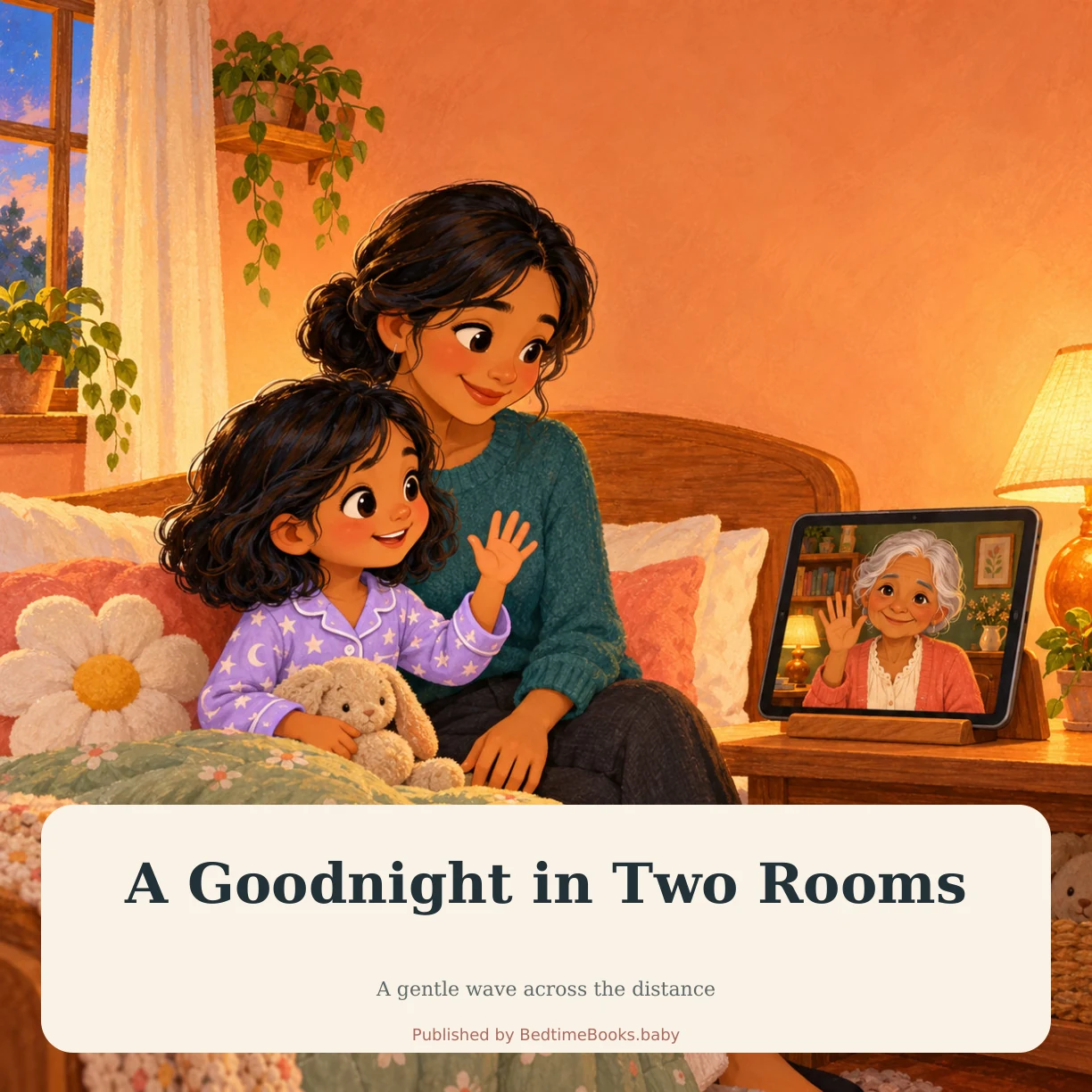
A meaningful ending may show a connection or gesture without claiming the absence has disappeared. A Goodnight in Two Rooms is a related original example: Leena and Grandma share a wave during a call, and Leena carries it into a final goodnight. That description supports a connection story, not assumptions about why the people are apart.
Use the book’s actual age guidance and preview. A warm cover alone does not establish which kind of absence is explored.
Quiet characters and first attempts
Stories about being shy can give a character choices about participation. Look for a specific wish and a meaningful role rather than an ending that requires everyone to become outspoken.
Stories about trying something new centre on an unfamiliar step. Read how support is offered and whether the character can pause, ask or choose another approach. A first attempt can lead to a partial result without making the narrative incomplete.
These themes overlap, but are not identical. A quiet character may enjoy a familiar activity without wanting a new one. A confident character may still find an unfamiliar task challenging. Choose the actual plot rather than generalising from a trait.
Changed plans and waiting
Disappointment stories should give the original wish enough weight for the reader to understand why the change matters. The ending may save something for later, reveal another option or acknowledge a result that cannot be undone.
One More Color Tomorrow concerns Nia leaving part of a picture for another day when bedtime arrives. Its description provides a modest example of an activity paused before the character’s intended finish. Check the preview rather than inventing an argument or reward around that premise.
Patience stories make the interval itself interesting. Look for what changes while the character waits and what controls the delay. Waiting for another person’s turn differs from allowing a process to finish. The story should understand its own situation rather than repeat a general command to be patient.
Pride with something specific behind it
Stories about feeling proud can show effort, a contribution or personal satisfaction. Other characters may celebrate, but read what the central figure notices for themselves.
A small achievement can be enough. The story need not rank characters or make the result flawless. Look at how losing, mistaken or less visible figures are treated in competition plots. A triumphant final spread does not describe the emotional route for everyone involved.
The child can enjoy the celebration without listing achievements of their own. A book is not an assessment of confidence or a demand to feel proud on cue.
Requests, errors and what happens next
Asking-for-help stories become meaningful when a request fits a visible need and the response leaves the character a continuing role. Help may be an explanation, a demonstration or a shared contribution.
Stories about making mistakes ask a different question: what follows an unintended result? Repair, revision and acceptance can each provide an ending when they connect with the event.
Do not assume that asking always follows failure or that every mistake becomes a hidden success. A nuanced book can allow an ordinary next step and leave a consequence visible. Read how the characters respond to each other, particularly when embarrassment or ridicule appears.
The shape of a full day
Big-day and quiet-evening stories often change their focus rather than solve a named problem. A wide sequence may narrow toward a small room, object or observation.
Blue Envelope at Dusk offers a related example in which Suri saves a few words about her day for morning. The catalogue describes a reflective act; it does not establish that the day was difficult or that writing resolves a feeling. Use the book page for previews, approximate duration and availability.
A listener may prefer the story without a recap of their own day. Let reflection remain optional.
Conversation that leaves room
The guide to talking about characters’ feelings starts with visible events and optional questions. Ask what changed or what a character hoped, if discussion adds something.
A child may offer another interpretation. Look back at the words and pictures together rather than turning the response into a correction. Some stories deliberately leave room for mixed feelings.
Keep personal connections voluntary. If a real event is mentioned, listen without promising the fictional solution will work outside the book. If the child wants to hear the text without interruption, that is a complete way to share it.
Choose the whole journey for the evening
Read unfamiliar books in full when possible. A positive description may omit a tense middle, separation or public embarrassment. An earlier first reading can provide more space for questions.
Keep a familiar alternative ready. You can stop an unwelcome story without insisting that its final message will make the experience worthwhile. The book may fit another time or another reader.
A varied shelf can include humour, uncertainty, a small frustration and a thoughtful repair. Choose precise language, engaging pictures and characters whose choices invite interest. Bedtime reading does not have to end with a moral, a personal disclosure or evidence that the child’s mood has changed.
Explore these everyday themes
- Missing someone
- Being shy
- Trying something new
- Disappointment
- Patience
- Feeling proud
- Asking for help
- Making mistakes
- Big days and quiet evenings
- Talking about characters’ feelings
Match the discussion to the actual reading
A baby or young toddler may share a picture and a few ordinary words without a conversation about motives. Another listener may want to compare several characters’ interpretations. Neither response should be treated as the required outcome for an age.
Choose the amount of talking through interest in the moment. A child may understand a scene and still prefer hearing the next page rather than answering. Silence at bedtime is not evidence that a more personal question is needed.
When several children listen together, they may notice different features. One can comment on an expression while another follows an object through the pictures. Keep those contributions available without making each child provide the same kind of answer.