Animal bedtime stories offer more than a choice of favourite species. A creature can be the centre of a small journey, an everyday activity, a friendship or an imaginative world. Choose according to what the character does, how the pictures tell the story and where the ending leaves the reader.
An appealing animal on the cover does not guarantee a gentle plot. Preview the full book for pursuit, separation, startling images and unresolved suspense. Keep fictional behaviour separate from real wildlife information, especially when animals talk, wear clothes or follow human routines.
Begin with the child’s interest
A favourite animal can provide a useful starting point. Ask what the child enjoys about it: the shape, a sound, movement, a familiar pet connection or a particular character. Those interests may lead to different books even within one species.
Look inside before deciding. A story with clear action and modest stakes can be easier to share than one with many similarly drawn characters. Read a few pages aloud to see whether you enjoy the language. The adult’s comfort matters when a book becomes a repeated favourite.
Choose the role of the animal
Some books show a creature noticing its surroundings. Others give it a human-like home and concerns. Still others use animals to explore differences between friends. These are distinct literary arrangements, all of which can be enjoyable.
A factual wildlife book is another form again. Do not treat an invented story as a reliable explanation of animal care, safety or natural behaviour. If the child asks a factual question, answer it separately or consult a suitable reference later. The fiction need not be interrupted by a correction on every page.
Woodland settings and readable journeys
Woodland animal stories often use trees, paths and sheltered spaces to organise a journey. Look for recurring landmarks that make the route understandable. Check whether the forest invites discovery or creates uncertainty about being lost.
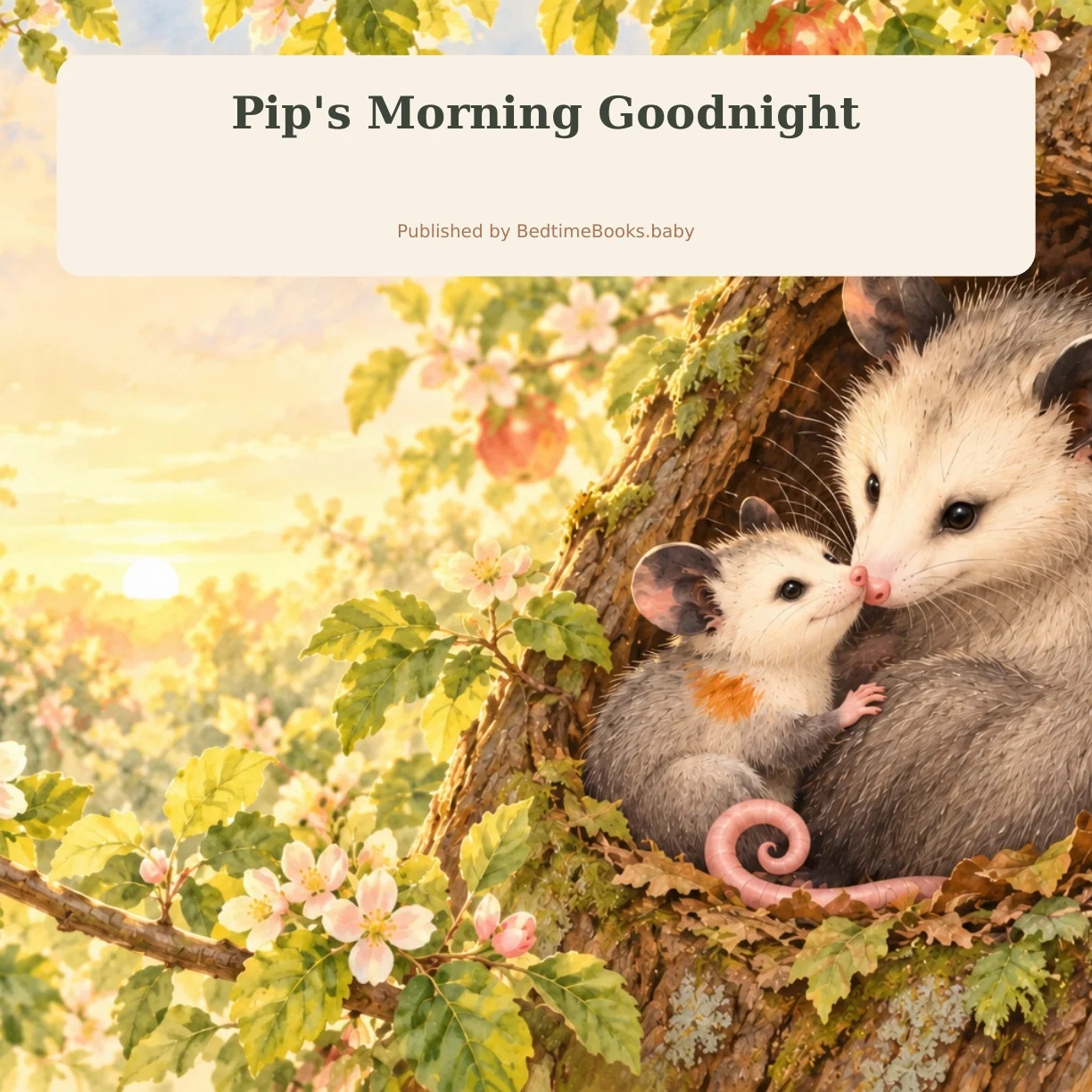
Pip’s Morning Goodnight offers a related tree-home example in an orchard. Its description follows a possum returning to a family hollow at dawn. The recorded guidance is ages 2 to 3 and approximately three minutes. Inspect the preview rather than extending the description into an unseen adventure.
Farm settings and ensemble patterns
Farm animal stories may move around a shared place or introduce creatures in turn. A repeated sequence can make a larger cast readable. Check whether each animal needs a name and separate role, or whether the pictures provide enough orientation.
Animal calls can become the main pleasure of these books. Read the later pages to see whether a quiet opening builds toward a noisy chorus. You can choose a simple delivery or give the book another place in the day when energetic participation fits.
Underwater viewpoints
Ocean animal stories centre on creatures within a marine setting. Inspect scale, movement and the clarity of the focal character. A blue palette can accompany gentle observation or a tense pursuit; it does not decide the tone on its own.
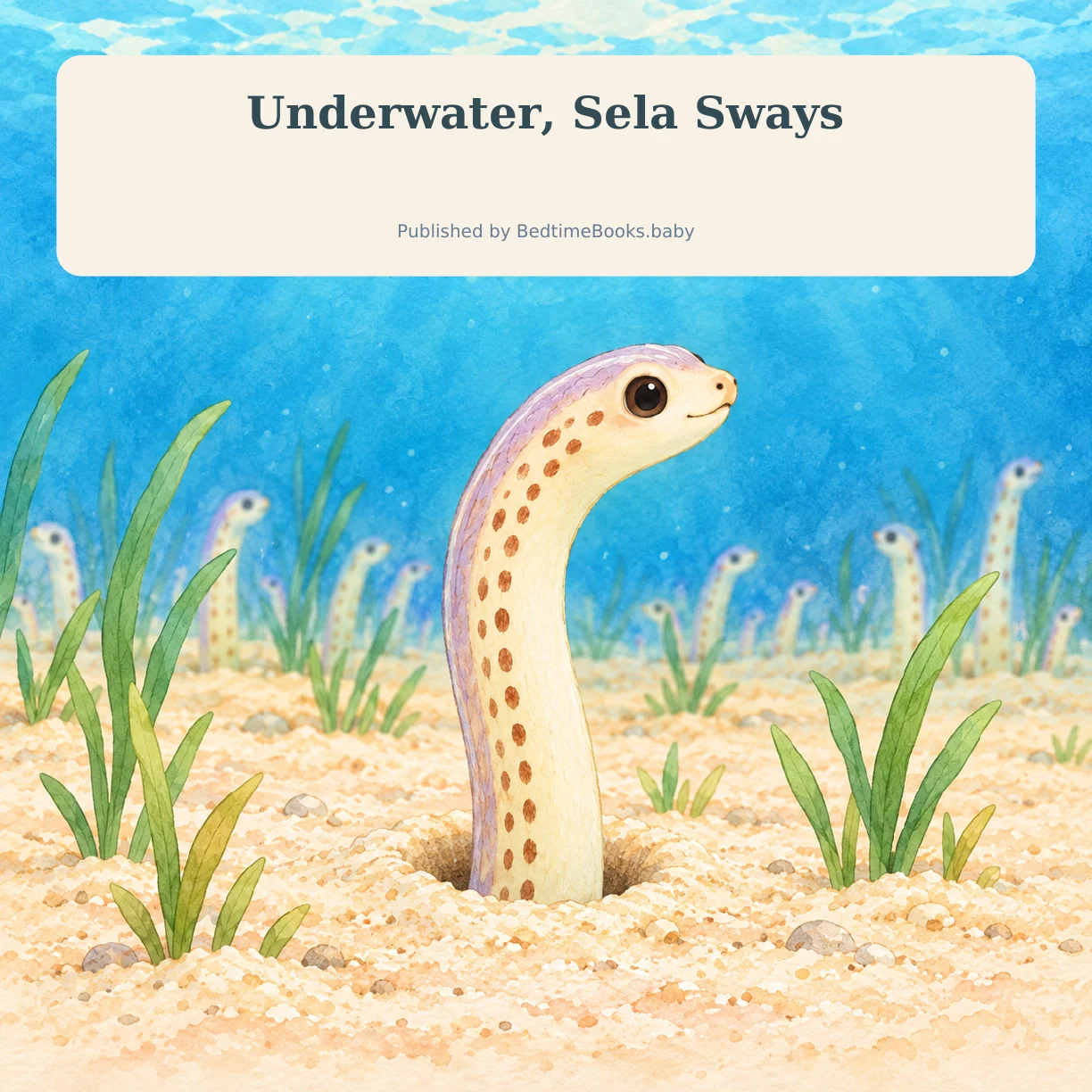
Underwater, Sela Sways follows a spotted garden eel above her sandy tunnel before she lowers into rest. Its catalogue guidance is ages 2 to 3 with an approximate three-minute reading time. Use its page for preview and availability information.
Birds and changing perspective
Bird stories can offer views across height and distance, or stay close to one resting place. Look at how the pictures orient the reader when perspective changes. A story about one bird has different demands from one involving an entire flock.
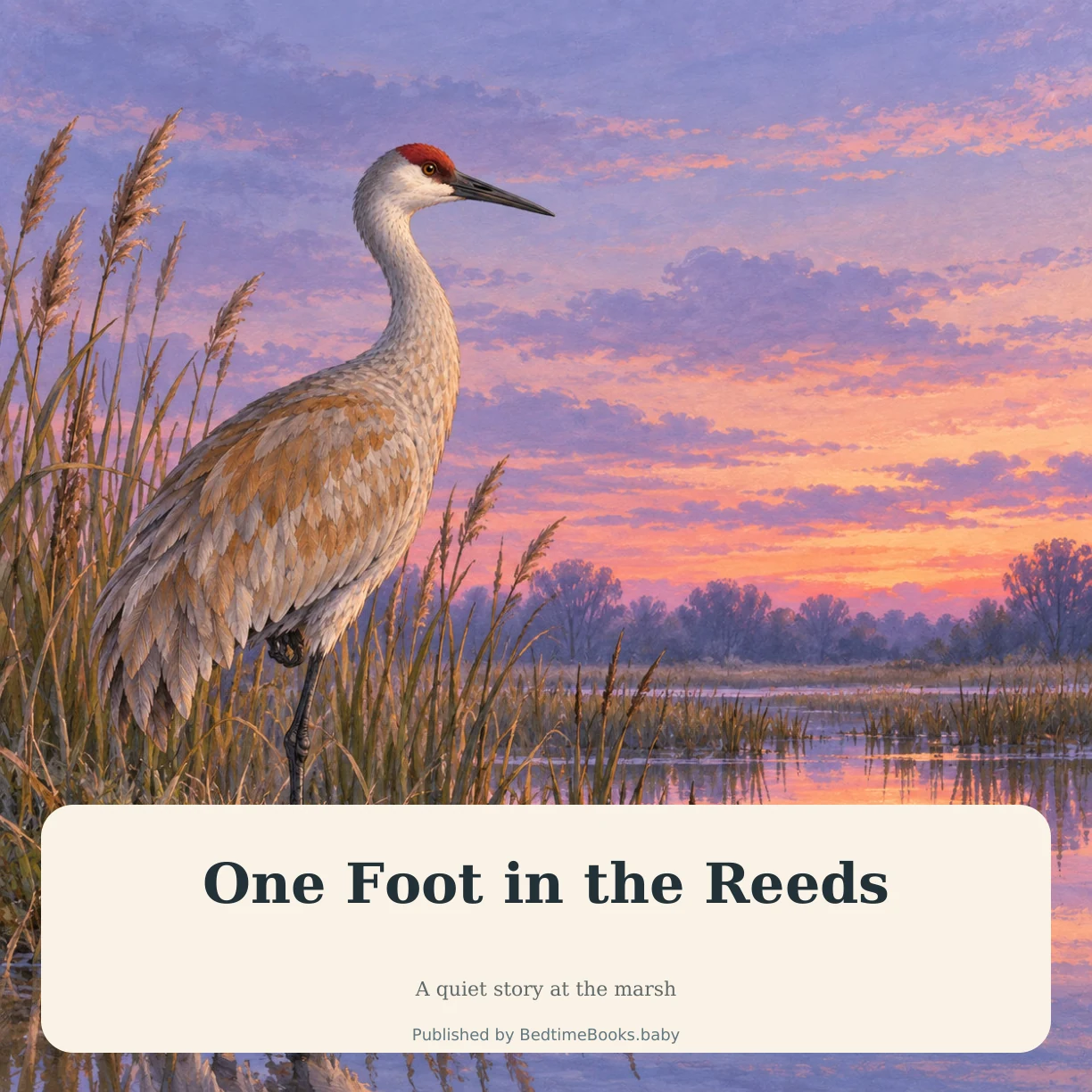
One Foot in the Reeds is described as Kes the crane making a small ripple before finding a steady place to rest as light fades. The recorded description supports a marsh-edge example; it does not justify claims about migration or nesting. Check the individual age guidance before choosing it.
Familiar character traditions
Bunny stories and bear stories often arrive with familiar visual associations. Look beyond those associations. Soft artwork may accompany a chase, while a large bear may be part of a modest comic problem.
Notice how size, movement and the home setting function. A bunny’s repeated hopping may invite active play. A bear’s scale may create warmth, humour or threat. The whole page gives more information than the species name. Our current catalogue does not supply verified bunny or bear recommendations for these guides.
Cats, dogs and pet connections
Cat and kitten stories may build around exploration or attention to small details. Dog and puppy stories may focus on companionship, play or a shared task. These are possibilities to look for, not rules about every book or animal.
Preview getting-lost plots and scenes that could be copied with a real pet. Fictional animals may accept handling or understand plans in ways that should not become real-world guidance. A child can enjoy the character while understanding that make-believe has different rules.
Friendship across differences
Animal friendship stories are most interesting when characters have distinct wishes. A difference in size, pace or preference can shape the plot without making someone wrong. Look at how the friends listen, change a plan or preserve their differences.
Keep conversation about the characters optional. A friendship book need not become a disguised lesson about something the child did that day. A cover showing two animals does not necessarily mean the story is about friendship. Read the description or preview to see how the characters relate to one another.
Adjust the reading demands
Our guide to animal stories for different ages compares visual clarity, cast size and continuity. Babies may share an animal picture without following a plot. Toddlers may enjoy a visible sequence. Preschool listeners may welcome more viewpoints. Older children can still choose illustrated favourites.
These are options, not milestones. Keep reading-time estimates approximate, allow picture browsing and leave participation voluntary. A sound, page turn or silent listening can each belong in the shared reading.
Explore books without overclaiming
Use actual descriptions, recorded age guidance and opening previews when considering our original books. The product page handles current availability. Do not infer a full plot from cover art or assume that every animal title teaches kindness, nature facts or sleep habits.
A useful animal shelf can be varied in setting, character and story structure. Choose a particular book because it offers a distinctive reading you want to revisit, rather than because an animal category promises the same result for every child.
Compare books about the same creature
Two books featuring the same animal may offer very different experiences. One can focus on a place and another on a relationship; one can use repetition while another relies on a surprise. Compare their opening situations, pictures and endings. The species gives you a starting interest, while those literary choices determine what you will actually share.
This comparison can also help a child explore variety without abandoning a favourite subject. Borrow before buying when possible, and let a preferred animal remain an invitation rather than a limit on the whole shelf.
Explore this topic in more detail
- Animal Friendship Bedtime Stories
- Bear Bedtime Stories
- Bird Bedtime Stories
- Bunny Bedtime Stories
- Cat and Kitten Bedtime Stories
- Choosing Animal Stories for Different Ages
- Dog and Puppy Bedtime Stories
- Farm Animal Bedtime Stories
- Ocean Animal Bedtime Stories
- Woodland Animal Bedtime Stories
A precise recommendation starts with the actual book in front of you.