Calming bedtime stories offer a gentle reading experience through the way their events, words and pictures work together. A small discovery, a familiar task or a quiet encounter can give a book direction without prolonged danger. Choose according to the actual story and the child, rather than relying on the word calming on a cover.
This is a literary selection guide. A story may feel peaceful to share, but it cannot promise sleep, resolve worries or produce the same emotional response in every listener. A child’s preferences and the adult’s delivery both belong in the decision.
Consider the whole emotional journey
Read the opening, middle and ending before introducing an unfamiliar title at bedtime. A reassuring final page does not necessarily make earlier scenes comfortable. Some children enjoy uncertainty followed by resolution; others prefer a story whose stakes remain modest throughout.
The guide to what makes a bedtime story calming explains how plot, language and illustration contribute separately. Notice what is actually at risk. A character deciding where to put something creates a different experience from a character searching for safety.
A gentle story can still include a problem. Without any change or question, a book may offer atmosphere rather than a narrative. Both forms can be enjoyable, but they invite different kinds of reading.
Choose themes with room for individuality
Gentle themes for young children include small discoveries, home, quiet work and companionship. These themes leave room for distinctive characters and settings. They should not become interchangeable lists of pleasant objects.
Look at the details that make one book different: the activity being completed, the place being noticed or the relationship taking shape. A specific story gives you something to enjoy and discuss beyond the general message that evening is quiet.
Look at what the ending completes
A peaceful ending answers the book’s original situation. The character may find a place, finish an activity or accept a different plan. Everything need not become perfect for the narrative to feel resolved.
See peaceful stories with happy endings for evaluating the last page alongside the journey. Inspect any final joke or surprise: some books deliberately reopen the action just before the cover closes. That may be delightful, but it is useful to know beforehand.
Let places have character
A quiet setting can be a room, a city bench, a garden corner or a sheltered outdoor place. What matters is how the character experiences it. Empty space may feel peaceful, lonely or mysterious depending on the story and the reader.
Our guide to quiet places considers scale, sound and visual framing. Quiet does not have to mean complete silence. A distant voice or a small background sound can make the setting feel inhabited.
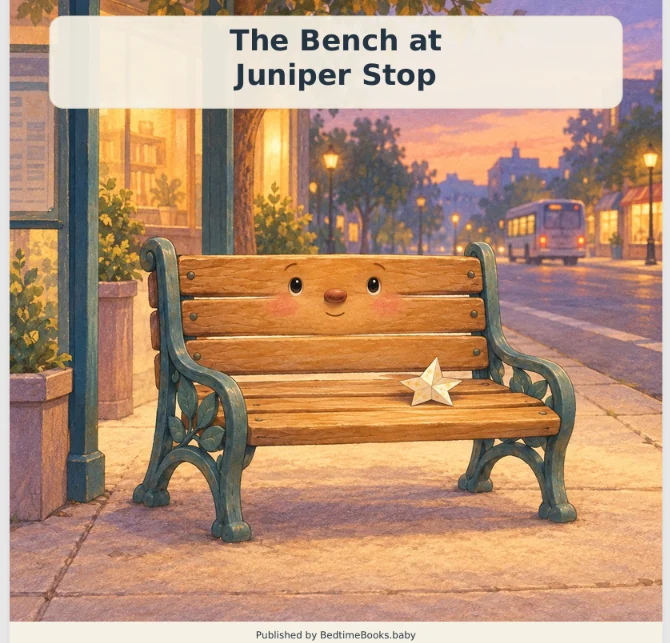
The Bench at Juniper Stop offers a verified catalogue example of a city setting: Juniper holds space for small pauses in a busy day. View the preview and age guidance to assess the actual book.
Notice changes in pace
A slowing-down story can begin with movement and gradually narrow its attention. Actions become smaller, a task ends or a detail comes into view. The change is most interesting when it belongs to the narrative rather than functioning only as an instruction to the listener.
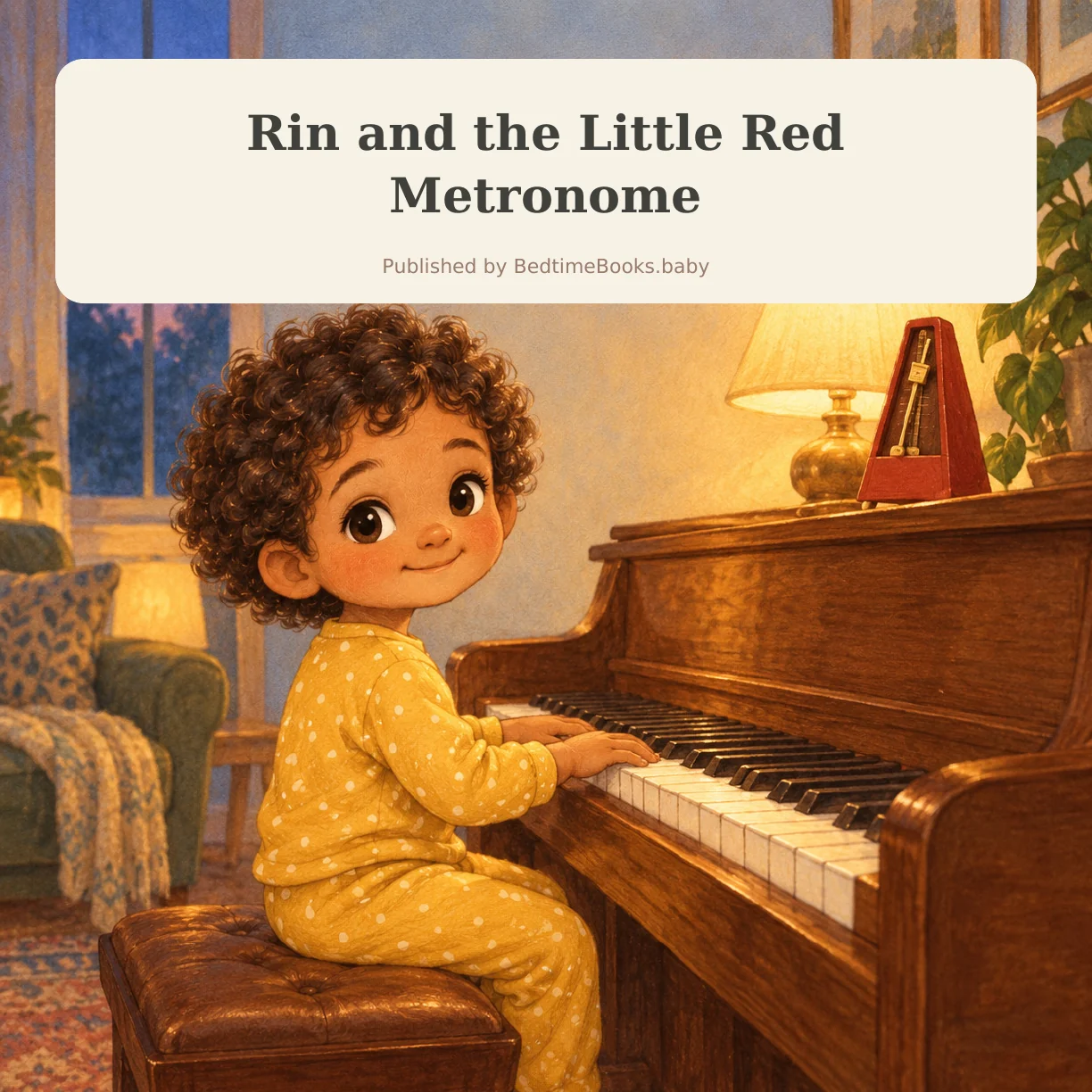
See stories about slowing down for examining that transition. Rin and the Little Red Metronome is described as Rin finding quiet after her final piano note while the metronome falls still. Keep any recommendation within those verified details and the book’s recorded audience.
Read familiar routines as stories
Ordinary activities can provide a clear sequence and an understandable ending. A book may follow a bath, a making activity or the putting away of objects. Look for the character’s attention and the artwork’s contribution, not just the order of tasks.
The guide to familiar routine stories explains why the pictured household should not be treated as a standard for every family. Steam on the Blue Tiles follows Mira noticing bathroom tiles through clearing steam after her bath. Its book page supplies age guidance, previews and current availability.
Listen for comfortable language
Read sample pages aloud in your own voice. Natural phrasing matters when you will revisit a book often. A quiet reading does not require whispering, and musical language does not require forced rhyme.
Soft repetition offers a recurring point without necessarily increasing the energy. Gentle descriptions draw attention to concrete details such as light, space or a small sound. Each should add something to the reading instead of padding the page with adjectives.
A child may join a refrain, comment on a picture or listen silently. Keep all of those responses available. A repeated line is an invitation rather than a test before the next page.
Look for interest without threat
Stories without villains or scary events can be driven by curiosity, making or a modest change of plan. Check the illustrations as well as the named characters: a book without a villain may still contain a frightening event or startling reveal.
Similarly, stories about feeling safe and comfortable should show reassurance through actual scenes and relationships. Do not require the child to report feeling comforted, or turn the book into a prompt to disclose personal fears.
Give energetic books another place when useful
Funny, adventurous and exuberant books remain valuable reading choices. If a title invites acting, shouting or an extended search, you may prefer to share it earlier. That is a practical decision about the activity it creates.
Our guide to exciting stories earlier in the day separates the text from the adult’s performance. Try an ordinary reading voice before deciding the book itself is too lively for your evening.
Make a small, workable selection
Keep a familiar choice and perhaps one alternative near your reading place. Try unfamiliar books at a relaxed time when possible. Notice how the pictures, conversation and page handling affect the session, then adjust without treating a changed plan as failure.
The practical guide to choosing a quiet bedtime story brings the whole-book checks together. Use previews and library loans to compare particular titles, and use product pages for accurate availability. A quiet shelf can remain varied in setting, language and imagination while offering readings you are willing to share again.
Compare atmosphere with narrative
A book of peaceful scenes may mainly invite looking, while a quiet narrative asks you to follow a change. Both can belong on the shelf. Notice which experience the child requests and whether the adult has time for extended browsing. A short text does not always make a short session.
Try unfamiliar choices earlier and retain a familiar alternative. The decision can remain practical and responsive, without treating a lively reaction as evidence that the book failed.
Explore this topic in more detail
- Bedtime Stories About Familiar Routines
- Bedtime Stories About Feeling Safe and Comfortable
- Bedtime Stories About Quiet Places
- Bedtime Stories About Slowing Down
- Bedtime Stories with Gentle Descriptions
- Bedtime Stories with Soft Repetition
- Bedtime Stories Without Villains or Scary Events
- Gentle Bedtime Story Themes for Young Children
- How to Choose a Quiet Bedtime Story
- Peaceful Bedtime Stories with Happy Endings
- What Makes a Bedtime Story Calming?
- Why Some Exciting Stories Work Better Earlier in the Day
Keep that choice responsive to the particular evening and reader.