Stories about quiet places make a setting worth noticing. A room, a garden corner, a library or a sheltered outdoor spot can provide the centre of the book. Look for what the character does there, rather than assuming an empty or dark scene is automatically peaceful.
Notice how the place is introduced
A clear view can help the reader understand where the character is. Later pictures may reveal small details, changing light or a different perspective. The setting can develop even when the action stays modest.
Check scale. A tiny character in a vast empty landscape may feel wonderful to one reader and lonely to another.
Listen for the remaining sounds
Quiet rarely means absolute silence in a story. A page may mention footsteps, leaves or a distant voice. Those details can make a place feel inhabited.
Read descriptions at a natural pace. You do not need sound effects for every detail, especially if they disrupt the kind of reading you want.
Check whether quiet is chosen
A character enjoying a pause has a different experience from one who is isolated or unable to find someone. Read the reason for being in the place and how the book resolves it.
Do not make a quiet setting into an instruction that the child must stop talking. Conversation can coexist with enjoying the story.
Compare a city example
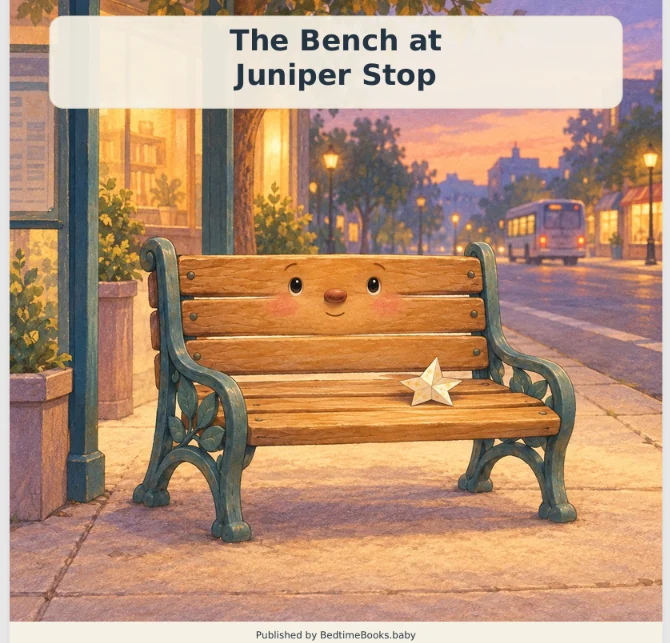
The Bench at Juniper Stop is described as a gentle city story in which Juniper holds space for small pauses in a busy day. It shows that a quiet-place theme need not depend on a remote forest. Check the preview, age guidance and current availability on its book page.
For settings structured around ordinary actions, see familiar routine stories. A place can feel distinctive through what happens there.
The calming bedtime story guide connects setting with plot and endings. Choose a quiet-place book because its particular atmosphere interests your reader, without promising that the setting will produce the same feeling in every child.
Compare a pause with isolation
Look at why the character is alone or still. A chosen pause after an activity differs from being unable to find company. The same visual space can support very different plots.
Notice whether other people or creatures remain nearby, whether the character knows where to go next and how the book frames the moment. These concrete details can be more useful than a general claim that quiet places feel safe.
Share the setting without copying it
Your family does not need a room, garden or reading nook like the one in the book. You can enjoy the fictional place while reading in an ordinary chair or on a sofa. Avoid making the illustration a standard for how a peaceful household should look.
You might notice one detail in common, such as a lamp or a window, if the connection arises naturally. There is no need to turn the page into a room-design exercise.
A quiet-place story may reward returning to the same spread. Leave time for that looking when practical. If the evening calls for a more continuous reading, choose a book whose setting supports a clear sequence rather than a long search. Both experiences can remain on the shelf.
Look for change within stillness
A place-based story can develop through attention rather than travel. The character may notice a sound, see someone arrive or watch light alter a familiar surface. Check whether that small change connects the beginning and ending.
The pictures can carry much of the development. A short sentence may leave space for a visual detail to become important later. Read with enough time to see it, without explaining everything in advance.
If the book is mainly a collection of scenes, choose it for browsing rather than expecting a continuous plot. That form can be enjoyable on its own terms.
This distinction can guide your next selection. Ask for a quiet-place narrative or a descriptive picture book, depending on the experience you want. Concrete language makes browsing more useful than searching for a universal best book for calmness.