Imaginative bedtime books can turn an ordinary object, a picture or a small journey into make-believe. For preschool reading, look for clear story rules and pictures that help the child follow what is happening. Wonder does not require high stakes or frightening surprises.
Look for an understandable invitation
A character may imagine a new use for an object or enter a pretend place. Notice how the book signals the change. If the story shifts rapidly between scenes, the pictures should help connect them.
You can briefly acknowledge that something is pretend without explaining away the imaginative pleasure. If a child asks whether an event is real, answer plainly and then return to the story.
Check where the excitement leads
A magical setting may contain a quiet exploration or an urgent escape. Read the middle and ending before selecting it for bedtime. The presence of stars, clouds or a dream does not automatically make a plot gentle.
Choose a scale of adventure your child enjoys. A small discovery can provide enough movement without a threat that continues across many pages.
Let children add ideas selectively
An imaginative picture may invite the child to invent another possibility. Welcome a short contribution if they wish. There is no need to ask for a new story every time you open the book.
If the invented possibilities take over, you can enjoy them earlier another day and return to the printed story tonight. Both kinds of reading can have a place.
Explore an example accurately
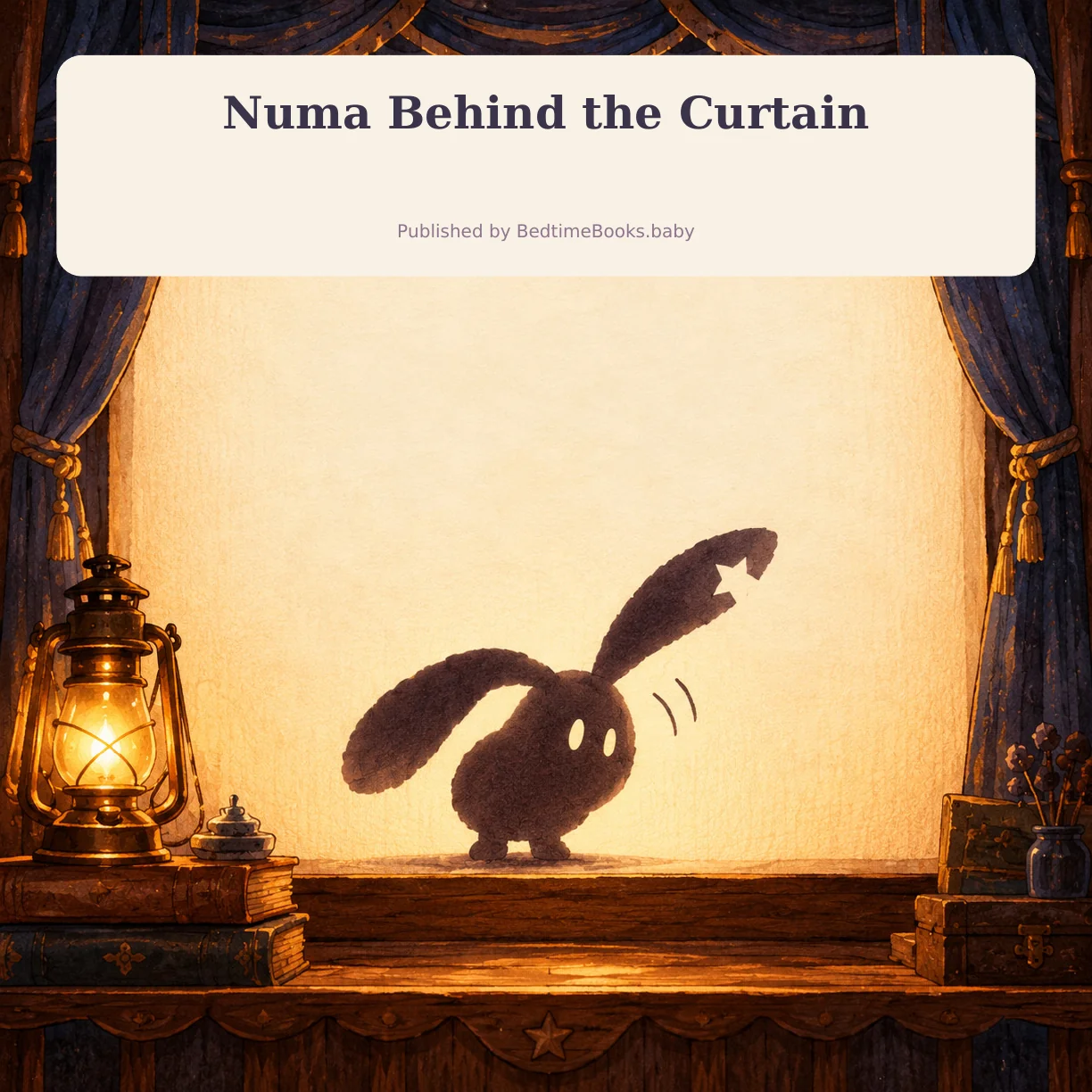
Numa Behind the Curtain is described in our catalogue as Numa’s final shadow-puppet bow before the lantern goes dark and he rests in a velvet sleeve. Its recorded themes include imagination and rest. Use the preview and age guidance to decide whether this theatrical setting suits your reader.
Do not infer a larger magical adventure from that description. The book page carries the available product information.
For a different source of enjoyment, compare gentle humour in bedtime stories. The preschool bedtime guide connects imagination with plot, length and read-aloud participation. Choose make-believe for the particular experience the book offers, not because the label itself guarantees a peaceful evening.
Check the bridge into make-believe
Notice how the book moves from an ordinary situation into an imagined one. A visible object, a repeated image or a character’s spoken idea may provide the connection. A clear bridge can make an unusual world easy to enter without a long explanation.
At the ending, see whether the book returns to the original place or completes the imagined action another way. Either can work, provided the story gives a sense of where the journey has led.
Let a child suggest another possibility without requiring them to invent a full story. A brief playful idea can sit beside the printed narrative. You can return to the text when the evening needs a clearer pace.
Let the ordinary setting remain visible
Some imaginative books keep a recognisable object or place throughout the adventure. Notice whether that recurring detail helps connect the scenes. It can give the child a stable point of reference while other parts of the picture change.
A story can also move fully into an invented world. Read how quickly its rules become clear and whether the child needs substantial explanation to follow the action. A complex world may suit another time when discussion can expand.
When make-believe becomes a question
If the child asks whether an event can really happen, distinguish the fictional scene plainly. You can say what happens in this story and, when you know, what happens ordinarily. Avoid introducing a confident factual explanation that you have not checked.
Then return to the narrative if the child wants to continue. The distinction need not drain the scene of its imaginative pleasure.
You might invite an alternative idea after the ending, but only when there is room. A child who enjoys listening should not be required to create a new magical place or supply a creative answer.
The adult’s enjoyment matters too. Choose language you like saying and imagery you like seeing. A beautifully illustrated imaginative book can remain awkward to read aloud, while a modest-looking one may have a voice you return to readily. Inspect both contributions before adding it to the regular bedtime selection.